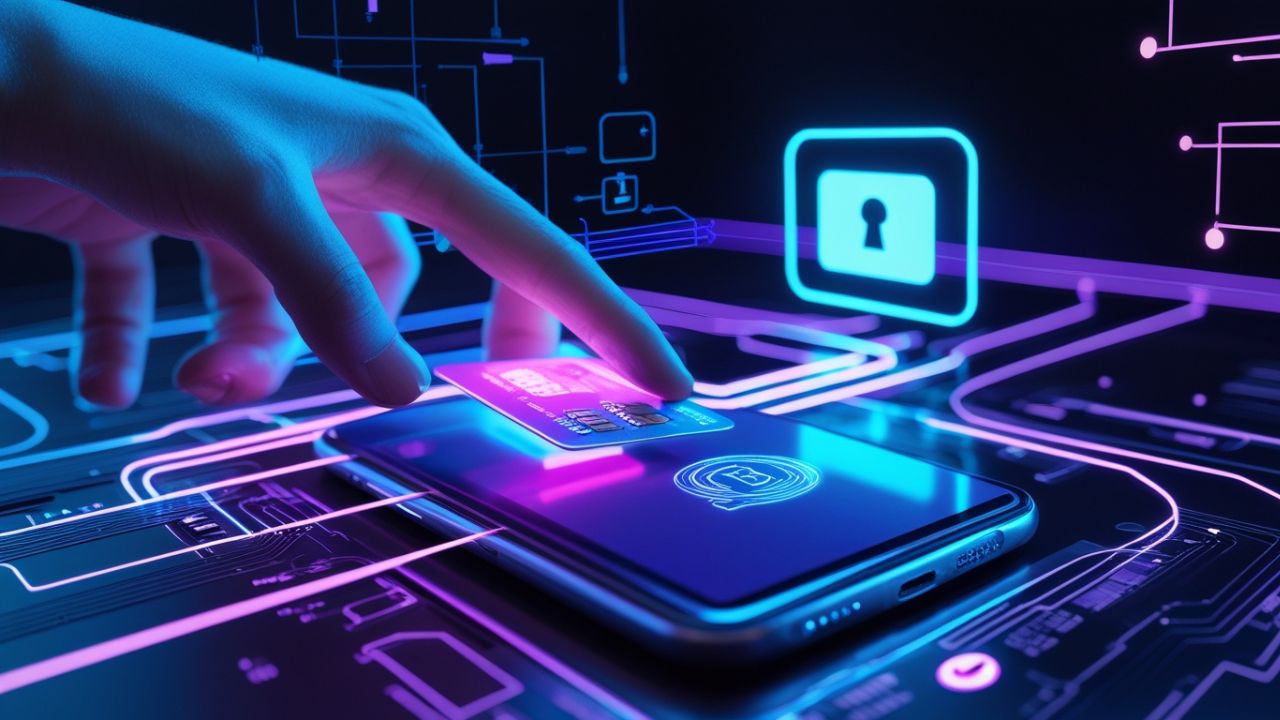
How Does a Payment Gateway Work Behind the Scenes?
When you buy something online, your money doesn’t just jump from your bank to the seller’s account. There’s a system working quietly in the background to make it happen safely — that system is called a payment gateway .
A payment gateway is like a bridge between the customer, the seller, and their banks. It checks every payment detail, confirms if it’s real, and protects your data while the money moves.
For businesses, it means faster payments and more trust from customers. For shoppers, it means quick and secure transactions — no matter where you buy from.
Let’s take a look at what happens behind the scenes when you make an online payment.
What Is a Payment Gateway?
A payment gateway is a secure tool that connects the buyer, the seller, and the bank during a digital payment. It’s what makes online shopping possible.
When you pay using your debit card, credit card, or mobile wallet like bKash or Nagad , the payment gateway safely sends your payment details to the right place and confirms if the transaction is approved.
You can think of it as a digital messenger that moves sensitive payment information — but never reveals it to anyone.
To understand it better:
- The payment gateway collects and sends payment details.
- The payment processor communicates with the banks to check funds.
- The merchant account is where the business receives the money.
Together, they make sure your payment is completed quickly and safely.
The 5-Step Process — What Happens Behind the Scenes
Online payments look simple on the surface, but a lot happens in just a few seconds. Here’s how it works step by step:
Step 1: Customer Starts the Payment
The customer enters their card, wallet, or bank details at checkout and clicks “Pay.” The payment gateway immediately encrypts (locks) this information to keep it private.
Step 2: Gateway Sends the Data
The gateway sends the encrypted payment details to the payment processor or merchant’s bank for review.
Step 3: Processor Checks with the Customer’s Bank
The payment processor contacts the customer’s bank (also called the issuing bank) to check if the card or account has enough money and is valid.
Step 4: Approval or Decline
The bank decides whether to approve or decline the payment. That decision goes back through the processor and gateway to the website — all in just seconds.
Step 5: Merchant Gets Paid
If the payment is approved, the merchant gets confirmation right away. The money is then transferred to their business account within 1–3 working days.
And that’s how your money safely travels through the digital payment system in the blink of an eye.
Security Behind Every Transaction
Online payments might seem risky, but payment gateways use several security systems to protect you. Let’s look at the main ones:
Encryption
When you type your card number or mobile wallet info, it’s immediately turned into a secret code. No one can read or steal it while it’s being sent.
Tokenization
Instead of saving your card number, the system replaces it with a special “token.” That way, your real data stays hidden and safe.
SSL Certificates
If you see a padlock icon in your browser, that means the website has SSL protection. It keeps the connection secure between your device and the payment server.
PCI DSS Standards
All trusted gateways follow PCI DSS rules — global standards that make sure payment data is stored and handled safely.
Fraud Protection
Modern gateways use tools like real-time monitoring and OTP verification to detect and stop fraud before it happens.
These layers of protection help make online payments fast, safe, and worry-free.
Learn More: Hosted vs self hosted payment gateways
Common Payment Issues and How Gateways Fix Them
Even with all this technology, payments can sometimes fail. Here are some common issues and how gateways handle them:
1. Failed Transactions
Payments can fail because of wrong card details, poor internet, or low balance. Gateways now automatically retry the payment or show a clear error message to help you fix it.
2. Delayed Settlements
Sometimes, it takes a few days for businesses to receive the money. Modern gateways work with multiple banks to speed up this process.
3. Security Risks
To fight fraud, payment gateways use strong encryption, AI-based fraud detection, and 2-step verification systems.
4. Chargebacks
When a buyer disputes a transaction, the payment gateway helps handle the case fairly between the buyer, the seller, and the banks.
Overall, modern payment gateways reduce errors and improve user experience with smart systems and reliable tracking.
Why Choosing the Right Gateway Matters
A payment gateway does more than just process payments — it can impact your entire business. Choosing the right one is important for both trust and growth.
Here’s why:
- Customer Trust: A safe and easy checkout process makes people more likely to buy again.
- Faster Payments: Quick transactions mean better cash flow and smoother business operations.
- Lower Costs: The right gateway offers fair transaction fees and no hidden charges.
- Easy Integration: A good gateway connects easily with platforms like Shopify, WooCommerce, or your mobile app.
- Local Support: For Bangladeshi businesses, gateways that support BDT, bKash, or Nagad make life easier.
In short, the right gateway saves time, builds credibility, and helps small and medium businesses grow faster.
FAQs
Q1. What’s the difference between a payment gateway and a processor?
A payment gateway sends and protects your payment data, while a processor talks to the banks to approve or reject the payment.
Q2. How long does it take for a business to receive the money?
Usually, it takes 1–3 business days after the payment is approved.
Q3. Are online payments safe?
Yes. Trusted gateways use encryption, SSL protection, and PCI DSS compliance to keep your payments secure.
Q4. Can small businesses in Bangladesh use payment gateways?
Yes! Many local gateways support small shops and online stores, even if they use mobile payments like bKash or Nagad.
Conclusion — The Hidden Power Behind Every Click
Every time you click “Pay Now,” a complex process starts — but you don’t see it. In seconds, your payment details are checked, approved, and transferred safely through a payment gateway.
For consumers, this means stress-free shopping. For businesses, it means faster payments, fewer errors, and more loyal customers.
Payment gateways are the invisible engines of modern commerce — quietly keeping your money moving safely, every single day.