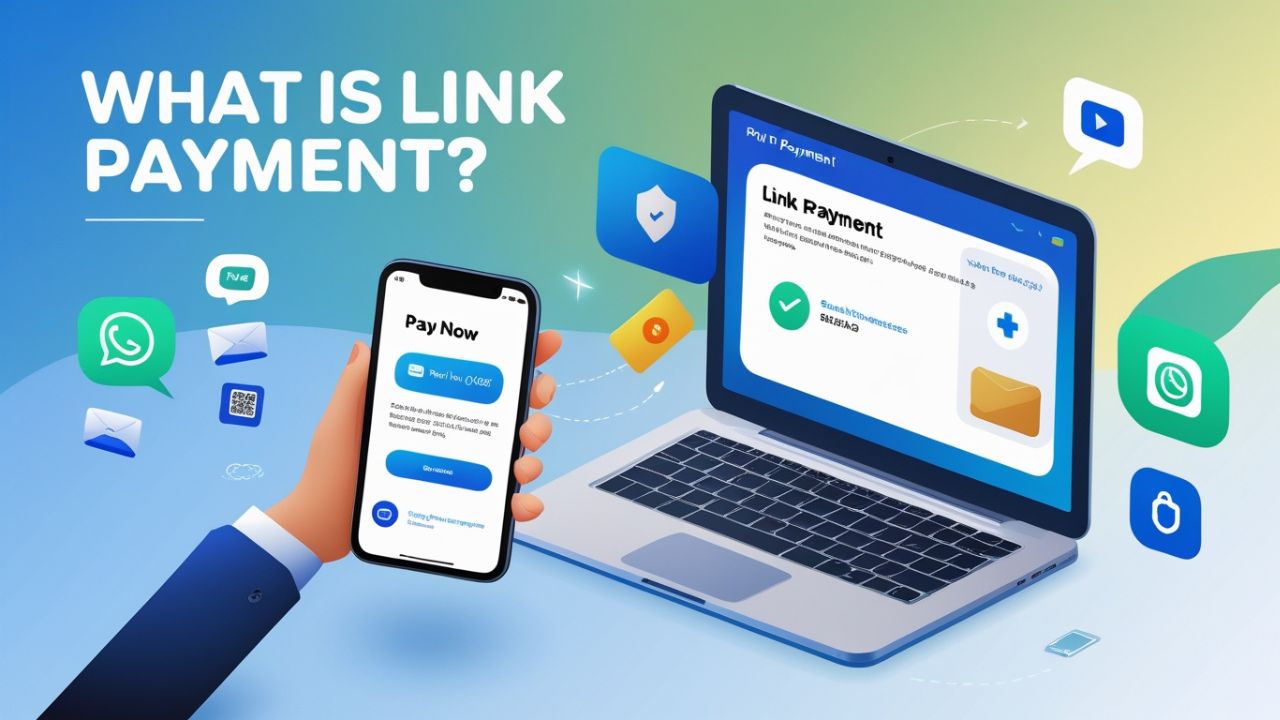
What Is Link Payment? Easiest Way to Collect Payments Online
Getting paid should not be complicated. But for many small businesses, freelancers, and service providers, it still is. Not everyone has a website. Not every customer wants to fill out a long checkout form.
That’s where link payment helps. It’s a simple way to collect money online by sharing a payment link. No website needed. No tech setup.
This guide explains what link payment is, how it works, and when it makes sense to use it.
What Is Link Payment?
Link payment is exactly what it sounds like.
- You create a payment link.
- You share it with your customer.
- They click and pay.
That’s it.
The link opens a secure payment page. The customer chooses a payment method and completes the payment. You get notified. The money moves to your account.
How Link Payment Works
The process is short and clear.
- You log in to your payment dashboard
- You enter the amount and purpose
- The system creates a payment link
- You send the link by WhatsApp, SMS, email, or social media
- The customer pays using their preferred method
And you’re done.
No coding. No checkout page. No plugins.
Who Should Use Link Payment?
Link payments work best when speed matters.
Good fit for:
- Freelancers
- Consultants
- Small service businesses
- Facebook and Instagram sellers
- Businesses taking advance payments
If you send invoices or chat with customers before payment, link payment fits naturally.
Why Link Payment Is So Popular
1. No Website Required: You don’t need a store or landing page. A link is enough.
2. Fast to Set Up: You can start collecting payments the same day.
3. Easy for Customers: People already know how links work. One click. One page.
4. Works on Any Device: Mobile, tablet, or desktop. It doesn’t matter.
Link Payment vs Traditional Checkout
Here’s a simple comparison.
Both have a place. Link payment is better when you want speed and simplicity.
Link Payment in Bangladesh
Link payment is growing fast in Bangladesh. Customers prefer mobile wallets and simple steps. Many don’t want to create accounts or fill out forms.
Platforms like Moneybag support link payments with local methods such as:
- bKash
- Nagad
- Rocket
- Debit and credit cards
This makes it easier for local businesses to collect payments without friction.
How Moneybag Link Payment Works
Moneybag offers a clean link payment system designed for local use.
The process:
- Create a payment link from the dashboard
- Set amount and description
- Share the link
- Customer pays using local wallets or cards
- You receive confirmation
No extra steps. No confusion.
Link Payment vs Invoice Payment
They sound similar, but they’re not the same.
Many businesses use both. Link payment for quick collections. Invoices for accounting.
Common Use Cases
Link payment works well in real-life situations.
- A consultant collects a session fee
- A delivery business takes advance payment
- A freelancer charges for a project milestone
- A Facebook seller confirms an order
Simple cases. No extra tools.
Things to Keep in Mind
Link payment is not perfect for everything.
Consider this:
- Not ideal for large product catalogs
- Limited customization
- Not a full replacement for eCommerce checkout
But for quick payments, it does the job well.
Is Link Payment Secure?
Yes, if you use a trusted provider.
Good platforms:
- Follow PCI-DSS standards
- Use encrypted payment pages
- Offer transaction tracking
Never share payment links from unknown sources. And always use official dashboards.
Final Thoughts
Link payment is one of the easiest ways to collect payments online . It removes steps. It saves time. And it fits how people already communicate.
If your business depends on quick conversations and fast payments, link payment makes sense.
It’s not fancy. It’s practical. And sometimes, that’s all you need.
FAQs
1. Do I need a website to use link payment?
No. You only need a payment account. The link works on its own.
2. Can customers pay using mobile wallets?
Yes. Most local link payment systems support bKash, Nagad, Rocket, and cards.
3. Is link payment safe for businesses?
Yes, when you use a trusted payment provider with proper security standards.